

Quick definition of Warranty and Indemnity Insurance
Warranty and indemnity insurance is a specialized insurance product that protects buyers and sellers in mergers and acquisitions from potential losses arising from breaches of warranties and indemnities in the purchase agreement. This type of coverage helps to mitigate the risks associated with undisclosed liabilities or inaccuracies in the information provided during the transaction. Essentially, it acts as a safety net, ensuring that both parties can safely proceed with the deal, knowing they’re safeguarded against unforeseen issues.
Let’s into the Warranty and Indemnity Insurance origin
The term “warranty and indemnity insurance” has its roots in the world of mergers and acquisitions, where it has gained significant traction over the last couple of decades. As companies began to realize the frequency and potential severity of disputes arising from warranty breaches, the demand for ways to protect against these issues surged.
The evolution of this insurance product reflects the growing complexity of business transactions and the inherently risky nature of mergers and acquisitions. By providing a layer of financial protection, warranty and indemnity insurance has become an essential tool for both buyers and sellers alike, fostering confidence in the transaction process and enabling smoother negotiations.

The Warranty and Indemnity Insurance (full & serious definition)
Warranty & Indemnity (W&I) insurance is a specialized insurance product designed to mitigate financial risks associated with breaches of warranties and indemnities in mergers and acquisitions (M&A) transactions. This type of insurance has become increasingly popular as it offers a proactive approach to managing transaction risks, thereby enhancing deal certainty and facilitating smoother negotiations.

Definition and Purpose
W&I insurance is an insurance product that covers losses arising from breaches of representations and warranties, as well as claims under indemnification provisions contained in sale and purchase agreements (SPAs). It effectively shifts the risk of financial loss from the buyer or seller to the insurer, providing a clean exit for sellers and peace of mind for buyers [1][2][3].
Uses and Benefits
For Buyers
– Recourse: W&I insurance provides extensive coverage, including generous periods of coverage for fundamental and tax warranties, which can extend up to 7 years from closing [1].
– Bid Differentiation: By offering W&I insurance, buyers can differentiate their bids in auctions, helping them stand out and potentially win the auction [1].
– Reputation: Claims can be made confidentially against the insurer, allowing buyers and sellers to maintain their reputation without resorting to litigation [1].
– Complex Sellers: It offers additional financial security behind warranties where there are concerns about the collectability of claims under the SPA, such as disparate groups of sellers or potential dissolution of sellers after sale [1].
For Sellers
– Clean Exit: Sellers can use W&I insurance to replace certain SPA obligations, allowing them to return sale proceeds to investors rather than tying up money in escrow [1][3].
– Risk Reduction: It reduces the risk of contingent liabilities arising from future claims, enabling sellers to exit a business cleanly [3][4].
– Protection of Passive Sellers: It protects passive sellers who have not controlled or been actively involved in the management of the target business from unintentional non-disclosure or breaches of the SPA [3].
Policy Types
There are two primary types of W&I insurance policies: seller-side and buyer-side policies.
Seller-Side Policy
A seller-side policy covers the seller for its own innocent misrepresentations. This type of policy is beneficial for sellers as it allows them to ring-fence risks associated with the sale and avoid the need to claw-back proceeds to satisfy indemnification claims [2][3].
Buyer-Side Policy
A buyer-side policy covers the buyer against the seller’s misrepresentations (innocent or otherwise). This policy is advantageous for buyers as it enables them to claim directly against the insurer without having to pursue recourse against the seller, thereby maintaining a clean exit for the seller [2][3].
Policy Structure
Each W&I insurance policy is tailored to meet the specific needs of a transaction. The policy term generally runs from signing of the deal for the full survival periods of the warranties and indemnities in the SPA. The insurer and insured agree on the retention (also known as an excess), which is typically set at 1% of the transaction value but may be higher depending on the deal or to reduce premium costs [3].
Exclusions
While cover is tailored in each case to match the warranties specific to the transaction, some issues are excluded on all policies. These exclusions include matters set out in the disclosure letter or due diligence, pension under-funding, and other specified conditions [3][5].
Claims Process
The claims process under W&I policies involves submitting a notification to the insurer within a specified period from the date of discovery of the breach of warranty/ies. Marsh’s claims advocacy team works with clients on this process, advising them on how best to present their position to the insurer [5].
Importance in M&A
Warranty & Indemnity insurance is crucial in M&A transactions because it provides a structured mechanism for managing risks associated with warranties and indemnities. It enhances deal certainty by offering a clean exit for sellers and peace of mind for buyers. The ability to claim directly against the insurer reduces friction in relationships between buyers and sellers, especially when sellers remain involved post-transaction. Additionally, it facilitates simpler negotiations by eliminating escrows or contractual indemnities, thereby maximizing returns for private equity players and reducing fund administration costs [2][3][4].
Why is it important to understand this term in M&A?
Understanding Warranty & Indemnity insurance is essential in M&A because it addresses critical risk management needs. It allows both buyers and sellers to proactively manage transaction risks, thereby enhancing deal certainty. By providing a clean exit for sellers and protecting relationships between buyers and sellers, W&I insurance facilitates smoother transactions. Its ability to circumvent hostile legal disputes over warranty breaches also maintains the reputation of all parties involved. Furthermore, it offers a structured mechanism for managing contingent liabilities arising from future claims, which is particularly beneficial in complex transactions involving disparate groups of sellers or potential dissolution of sellers after sale [1][3][4].
References:
[1] Aon. (n.d.). Warranty & Indemnity Insurance – Aon. Retrieved from https://www.aon.com/apac/transaction-solutions/wni-insurance
[2] Willis Towers Watson. (n.d.). M&A Insurance: Representations and Warranties – WTW. Retrieved from https://www.wtwco.com/en-us/solutions/services/m-and-a-insurance-warranty-and-indemnity-insurance
[3] AIG. (n.d.). Warranty and Indemnity Information Sheet. Retrieved from https://www.aig.co.uk/content/dam/aig/emea/united-kingdom/documents/mergers-and-acquisitions/warranty-and-indemnity-information-sheet.pdf
[4] PwC Legal. (2022, April 20). W&I insurance in M&A transactions – PwC Legal. Retrieved from https://www.pwclegal.be/en/news/w-i-insurance-in-m-a-transactions.html
[5] Marsh. (n.d.). A Practical Guide to Warranty & Indemnity Insurance – Marsh. Retrieved from https://www.marsh.com/content/dam/marsh/Documents/PDF/asia/en_asia/A_Practical_Guide_to_Warranty_Indemnity_Insurance.pdf
Case study about Warranty & indemnity insurance in Tesla’s acquisition of SolarCity
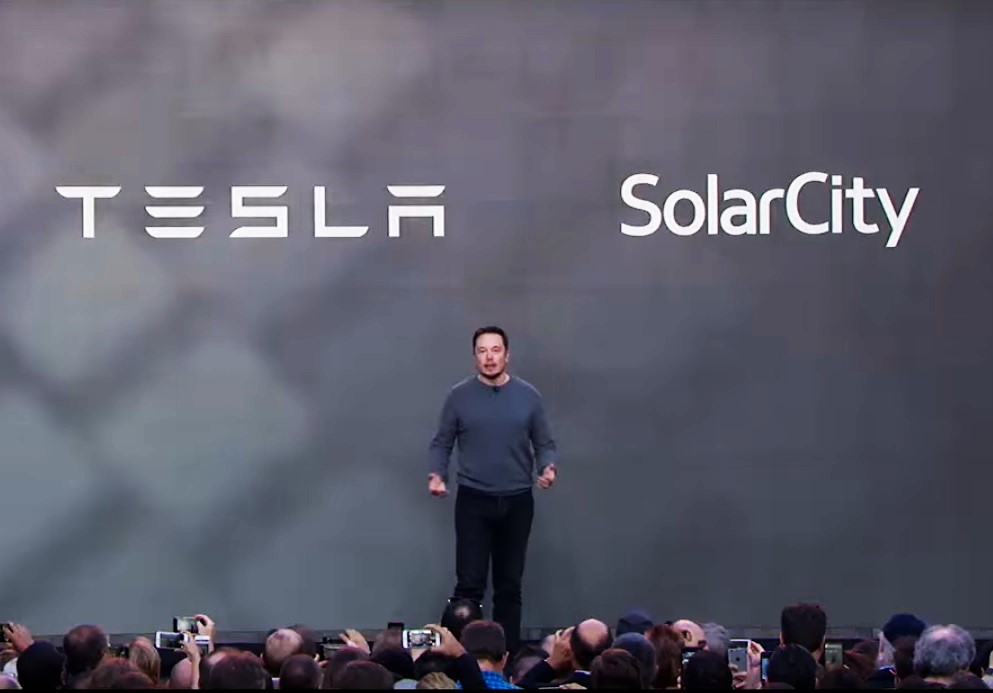
In November 2016, a landmark event unfolded in the realm of sustainable energy when Tesla Inc., the innovative automotive and energy company led by its visionary CEO Elon Musk, acquired SolarCity Corp., a solar energy services company co-founded by Musk’s cousins, Lyndon and Peter Rive. Valued at approximately $2.6 billion, this acquisition was not merely a corporate transaction; it represented a strategic move to integrate SolarCity’s solar energy solutions into Tesla’s product offerings, thereby furthering its mission to become a comprehensive sustainable energy provider.
However, the path to this acquisition was laden with challenges. In the months preceding the deal, SolarCity faced numerous legal issues and mounting concerns regarding its financial health, primarily due to its reliance on government solar subsidies and increasing debt. These apprehensions cast a shadow over the transaction and raised significant doubts among investors about the stability of the acquisition.
To navigate these concerns and provide a safety net for the transaction, Tesla opted to employ Warranty & Indemnity (W&I) insurance. This strategic choice was pivotal, as the W&I insurance covered potential losses linked to breaches of warranties provided by SolarCity, specifically concerning its financial statements, operations, and legal compliance. The scope of the coverage was comprehensive, addressing risks associated with undisclosed liabilities and misstatements that could arise post-transaction.
The implementation of W&I insurance not only mitigated Tesla’s exposure to substantial financial losses, should any claims surface in the future, but it also played a crucial role in reassuring anxious investors at a time when uncertainty loomed over SolarCity’s financial dealings. By offering W&I insurance, Tesla effectively facilitated the closure of the deal, allowing it to move forward with its vision to accelerate the world’s transition to sustainable energy.
As a result, Tesla successfully acquired SolarCity, leading to innovative advancements that integrated solar products with battery energy storage solutions, significantly enhancing Tesla’s market position in the renewable energy sector. The acquisition proved to be a cornerstone in Tesla’s strategy to create a holistic energy ecosystem.
Reflecting on this case, it becomes apparent that the strategic use of Warranty & Indemnity insurance can markedly reduce perceived risks inherent in mergers and acquisitions, particularly when the target company carries potential liabilities. The experience garnered from Tesla’s acquisition of SolarCity underscores the importance of well-structured warranties and the vital role that W&I insurance can play in streamlining negotiations and expediting deal closures in high-stakes transactions.
Learn the term in other languages
| Language | Term |
|---|---|
| English | Warranty and Indemnity Insurance |
| French | Assurance Garantie et Indemnité |
| Spanish | Seguro de Garantía e Indemnización |
| German | Garantie- und Indemnitätsversicherung |
| Italian | Assicurazione di Garanzia e Indennizzo |
